The Thursday Market

A Narrative Cartography of Chichicastenango

"The market does not begin when the sun rises. It begins when the first sack of maize hits the cobblestones."

The Geography of Arrival

My grandmother walked three hours to reach the plaza. From Sololá, through the cloud forest where epazote grows wild, down the ridge where the air changes scent—from pine to cornmeal. She knew the distance not in kilometers but in breaths: fifty breaths to the turn, a hundred to the gate.

Chichicastenango sits at 2,300 meters. The altitude matters. Water boils at 91°C here, not 100°. Dough rises slower. Meat takes longer to brown. These are not poetic details—they are survival constants.

The Four Gates

The market organizes itself by direction:

  • North Gate: Textiles. Wool from high pasture sheep, dyed with cochineal beetles harvested in August.
  • East Gate: Grains. Maize varieties sorted by color: white for ceremonial tortillas, blue for everyday bread, red for the dead.
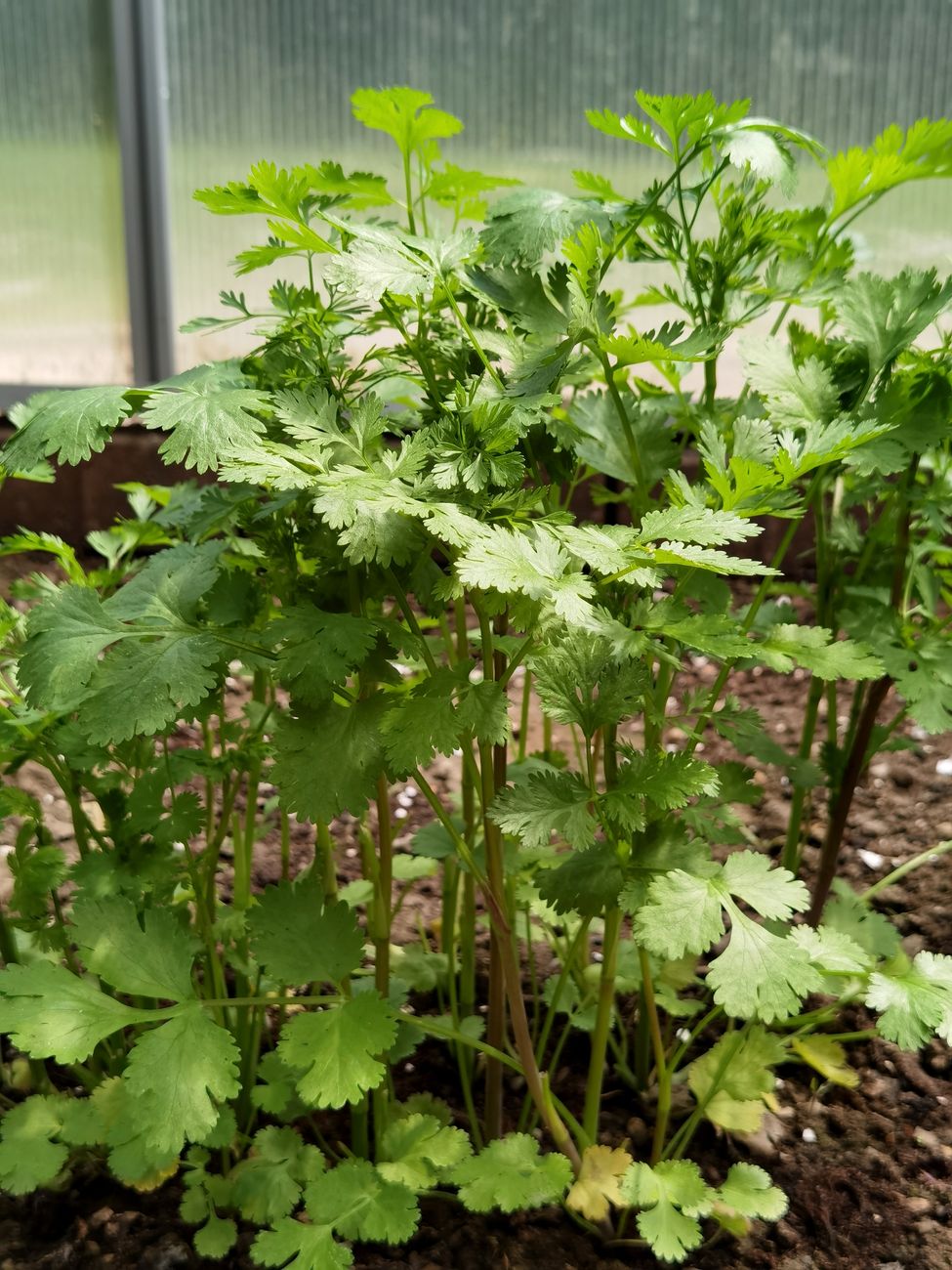
  • South Gate: Herbs. Epazote, hoja santa, cilantro grown in volcanic soil.
  • West Gate: Ceramics. Pots fired in wood kilns, glazed with ash from burned coffee hulls.
Women in traditional huipiles at Chichicastenango market stalls
Figure 1: East Gate grain traders, Thursday morning. Note the sorting baskets—white maize separated from blue.

The Economics of Touch

No scales at the gates. Payment is tactile: three fingers press the grain, thumb tests the moisture, wrist rotates the sack to hear the pour. My grandmother called this el tacto—the touch. She could judge 12% moisture content by the sound of falling kernels.

We translate this now:

Sensory Test Modern Equivalent Tolerance
Finger crushes kernel Moisture ≤ 13% ±0.5%
Pour sounds hollow Density ≥ 0.72 g/cm³ ±0.02
Thumb leaves mark Hardness > 12 Mohs ±1

The Thursday Rhythm

Markets rotate weekly. Monday: Nebaj. Tuesday: San Juan. Thursday: Chichicastenango. Friday: Santiago. Each day draws a different watershed. Thursday is the apex—every village within twenty leagues converges.

At 05:30, the plaza empties of tourists. At 06:00, the first traders unpack. By 07:00, three thousand sacks are stacked. By noon, the dust has settled. By dusk, only the ceramic shards remain.

"Precision is not the enemy of tradition. It is its only hope."